Wildlife Photography – Patience, Respect, and the Power of Silence
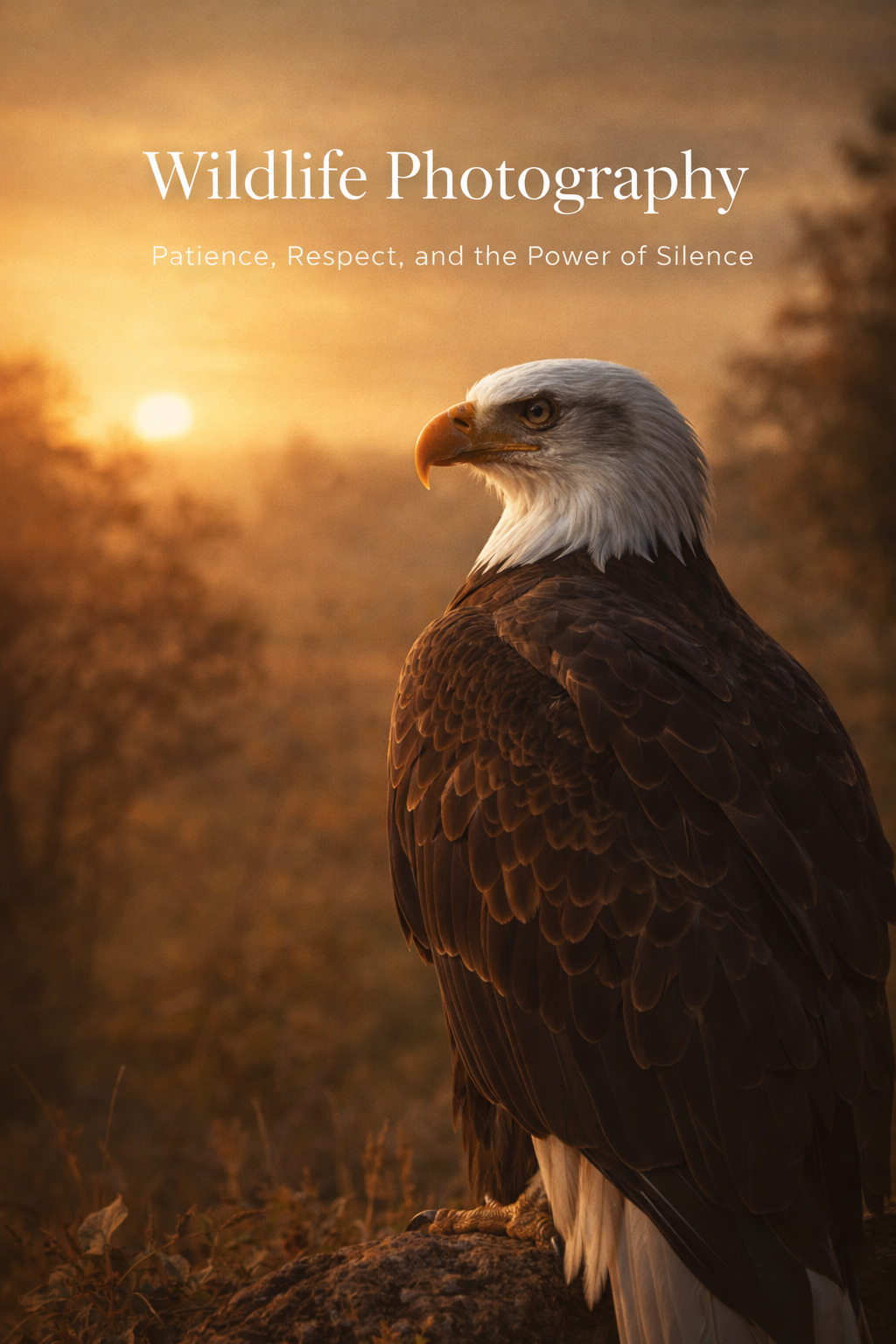
Wildlife photography is often misunderstood. Many people imagine photographers chasing animals through forests, rushing to capture dramatic images. In reality, the essence of wildlife photography is the exact opposite. It is about patience, observation, and deep respect for nature. The most powerful wildlife photographs are not forced or staged—they are moments gifted by the wild itself.
At Himesh Dosi Photography, wildlife is never treated as a subject to control. Instead, it is observed with humility and quiet awareness. The camera becomes a tool not just to capture images, but to witness the beauty of life unfolding naturally.
The Philosophy Behind Wildlife Photography
Wildlife photography begins with a mindset. Unlike studio or commercial photography where conditions can be controlled, the wild operates entirely on its own terms. Animals do not follow instructions, light does not wait for you, and the environment constantly changes.
This unpredictability is what makes wildlife photography so meaningful.
A wildlife photographer must learn to slow down. Sometimes hours—or even days—pass without a single photograph. But patience is part of the craft. When the right moment finally arrives, it carries authenticity that cannot be recreated.
Silence also plays a crucial role. In nature, noise can disturb animals and alter their behaviour. Remaining still and quiet allows the photographer to become part of the environment rather than an intruder within it.
Over time, this silent presence builds trust with the surroundings.
The Beauty of Unscripted Moments
Wildlife never poses for a camera. That is what makes every frame unique.
A bird taking flight at sunrise, a deer pausing in soft morning light, or a predator walking through tall grass—these are moments that happen naturally and unpredictably. The photographer cannot control them, only anticipate them.
Capturing such moments requires awareness. You must observe animal behaviour, understand patterns, and read subtle movements in the environment. Often the photograph happens in a fraction of a second, but that second may be the result of hours of waiting.
This is the magic of wildlife photography.
Each image becomes a record of a moment that will never happen in exactly the same way again.
Patience: The Photographer’s Greatest Skill
Many photography genres reward speed and quick reactions. Wildlife photography rewards patience.
A photographer may wake before sunrise, travel long distances, and sit quietly in one location for hours without knowing whether anything will appear. The unpredictability of nature means there are no guarantees.
Yet this waiting is not wasted time.
During these quiet moments, the photographer begins to notice details—the movement of leaves in the wind, the patterns of light shifting through trees, the distant sounds of birds or animals. These observations help build a deeper connection with the environment.
Eventually, when an animal appears, the photographer is ready—not just technically, but mentally.
Patience transforms wildlife photography from a simple act of taking pictures into an experience of understanding nature.
Ethics Over Applause
In recent years, social media has created pressure to capture dramatic wildlife images. However, responsible wildlife photographers understand that no photograph is worth disturbing or harming an animal.
Ethical wildlife photography always places the wellbeing of animals first.
This means maintaining safe distances, avoiding interference with natural behaviour, and respecting protected habitats. Animals should never feel threatened or stressed because of a photographer’s presence.
Using long lenses, observing quietly, and following park guidelines are essential practices.
At Himesh Dosi Photography, the philosophy is clear: authenticity matters more than attention. A simple, honest photograph captured ethically holds far more value than a dramatic image created through disturbance.
Ethics are not limitations—they are the foundation of responsible storytelling.
Understanding Light in the Wild
Light is one of the most powerful elements in photography, and in the wilderness it is constantly changing.
Unlike controlled studio lighting, natural light moves rapidly throughout the day. The golden glow of sunrise, the sharp contrast of midday sun, and the soft tones of evening all create different moods in wildlife photography.
Photographers must adapt quickly.
Animals may appear only briefly, so composition, exposure, and focus must be adjusted almost instinctively. The ability to work with available light—rather than fight against it—is a skill developed through experience.
Early morning and late evening often provide the most beautiful lighting conditions. These times also coincide with peak animal activity, making them ideal for wildlife photography.
But even harsh light can create dramatic images when used thoughtfully.
Learning to see and use natural light is part of the artistry of wildlife photography.
The Role of Observation and Knowledge
Great wildlife photographers are also students of nature.
Understanding animal behaviour significantly increases the chances of capturing meaningful images. Knowing when animals hunt, feed, or rest helps photographers anticipate moments before they happen.
Observation also allows photographers to tell more powerful stories.
Instead of simply photographing an animal, the photographer can capture interactions—between animals, between light and landscape, or between the subject and its environment.
These layers create depth in the image.
Wildlife photography becomes more than documentation; it becomes visual storytelling.
Why Wildlife Photography Matters
Wildlife photography has a purpose beyond aesthetics. It has the power to influence how people see the natural world.
Many individuals may never visit remote forests or national parks. Photographs allow them to experience the beauty and fragility of these environments from afar.
A single image can inspire curiosity, empathy, and respect for wildlife.
When people feel emotionally connected to animals and ecosystems, they become more aware of the importance of conservation. Photographs can highlight endangered species, disappearing habitats, and the delicate balance that sustains life in the wild.
In this way, wildlife photography contributes to environmental awareness.
It reminds us that nature is not separate from us—it is something we must protect.
The Emotional Connection with Nature
Spending time in the wild changes the way a photographer sees the world.
The quiet of forests, the rhythm of natural life, and the unpredictability of wildlife create a sense of humility. Nature operates on its own timeline, far removed from the pace of modern life.
This experience often influences the photographer’s perspective.
Wildlife photography becomes less about capturing impressive images and more about appreciating moments. The sound of a bird’s wings, the stillness of a misty morning, or the brief appearance of an animal in the distance can feel profound.
Photographs become memories of these experiences.
They are reminders of the beauty that exists beyond cities and screens.
A Commitment to Authentic Storytelling
At Himesh Dosi Photography, wildlife photography is guided by a simple principle: respect the subject and respect the environment.
Every image is approached with patience and awareness. There is no rush to create spectacle. Instead, the focus is on authenticity—capturing wildlife as it truly exists.
The goal is not only to create visually compelling photographs but also to tell honest stories about nature.
When photography is practiced with care, it becomes a bridge between people and the natural world.
The Power of Silence
In the end, wildlife photography teaches one of the most valuable lessons: the power of silence.
In silence, the photographer observes more deeply. In silence, animals behave naturally. In silence, the beauty of the wild reveals itself slowly and honestly.
The camera simply records what patience, respect, and awareness make possible.
Wildlife photography is not about chasing animals.
It is about waiting for moments—and when those moments arrive, capturing them with gratitude.
Because in the wild, every photograph is not just an image.
It is a privilege.