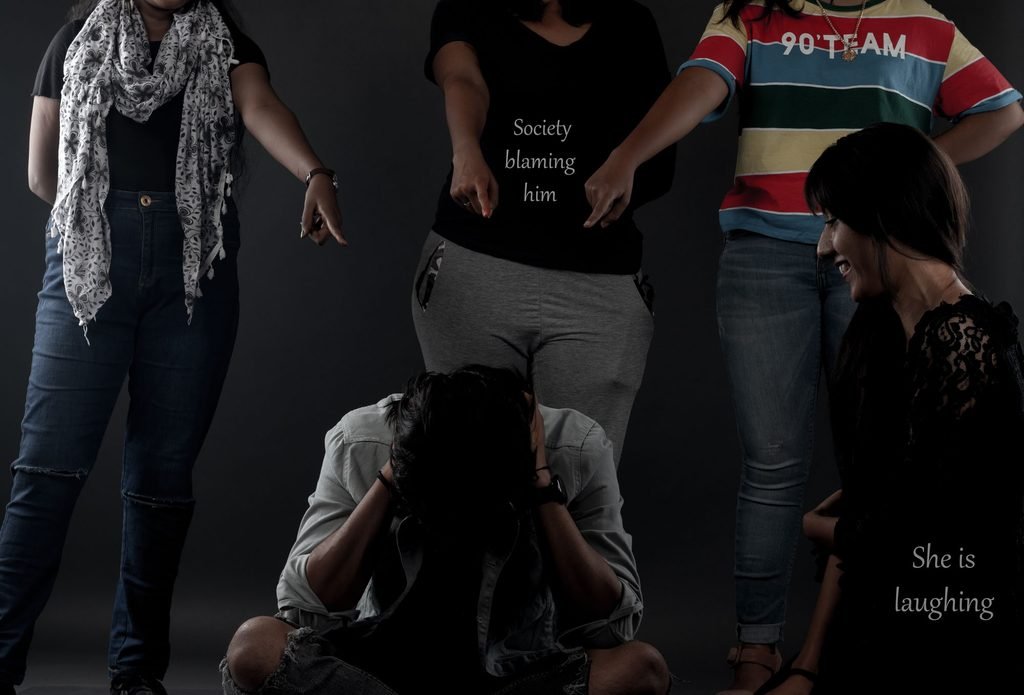
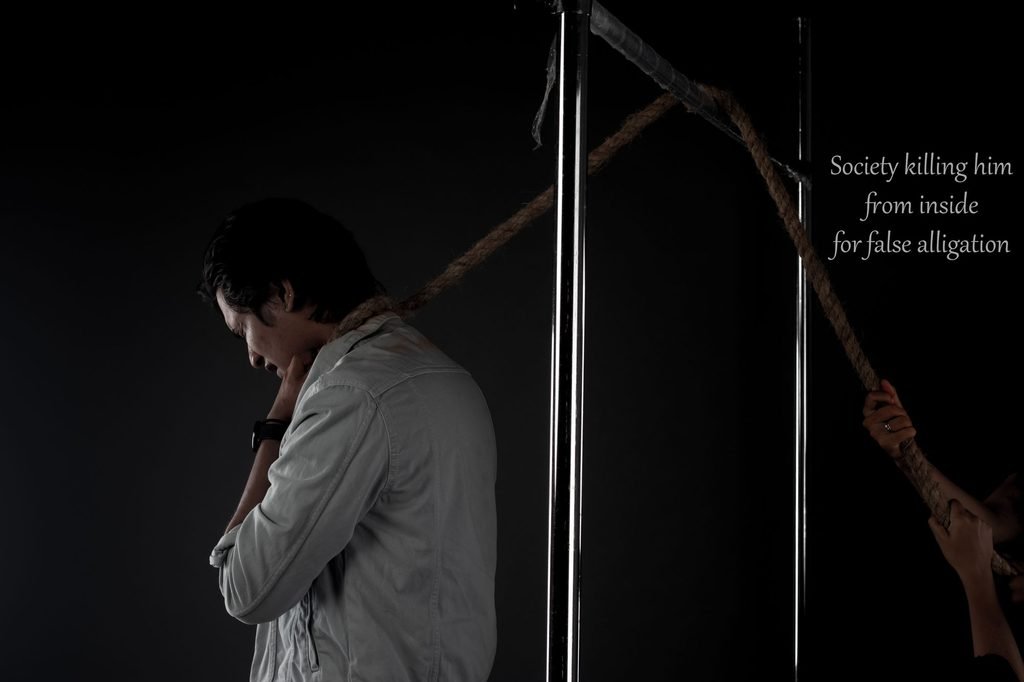
Cyber Bullying, Cyber Fake, Cyber Harassment: Himesh Dosi’s Trilogy on the Digital Dark Side
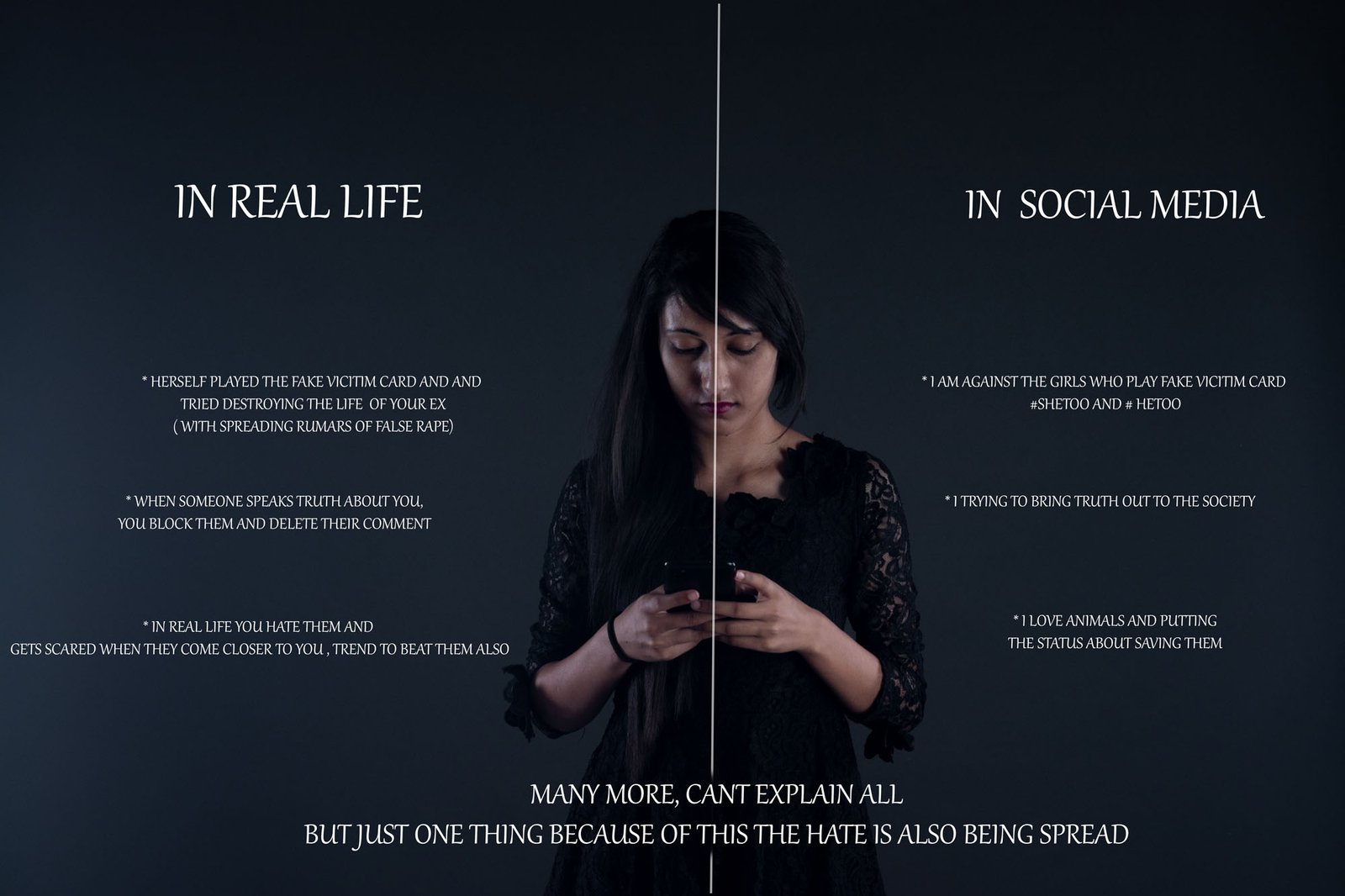
India’s internet story is one of the most dramatic of the digital age. In just over a decade, the country has moved from having one of the world’s lowest rates of internet access to having one of the world’s largest online populations. With that transformation has come extraordinary opportunity — and extraordinary new forms of harm. Misinformation. Identity fraud. Online harassment. Cyberbullying. The exploitation of children and young people in digital spaces.
These are subjects that news organisations cover in text and statistics. Himesh Dosi covers them in images — and images that achieve what statistics cannot: they make us feel the human cost.
The Cyber Trilogy: Visual Arguments About Digital Harm
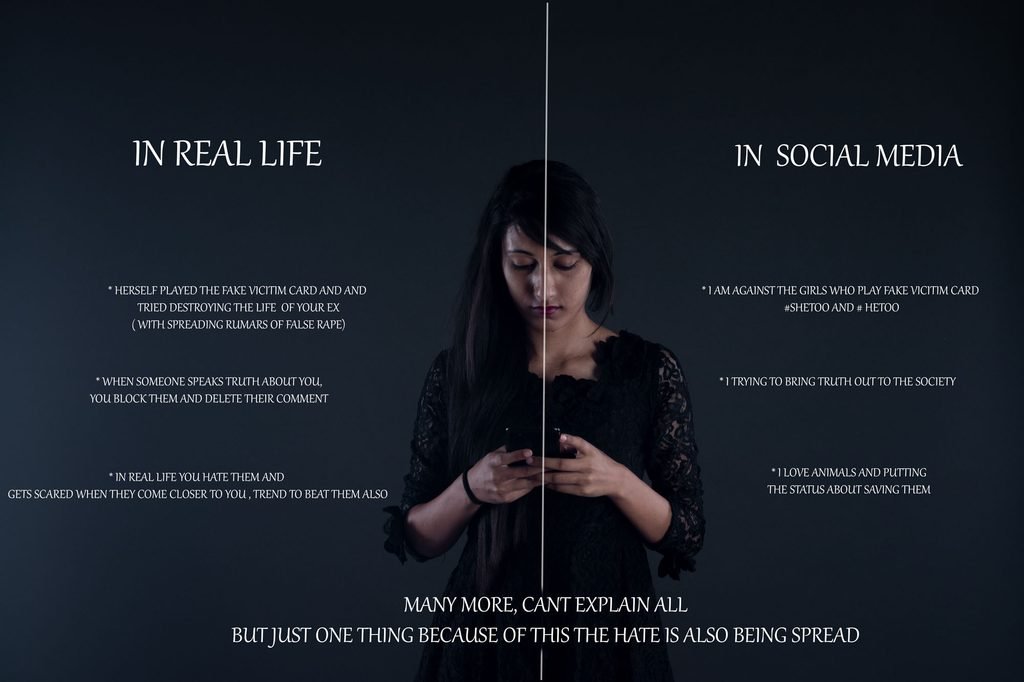
The four works that constitute Dosi’s cyber series — Cyber Bullying, Cyber Fake, Cyber Fake Victim, and Cyber Harassment — are interconnected but distinct. Each targets a specific form of digital harm, and each finds a different visual language for it.
“Cyber Bullying” addresses the particular cruelty of online harassment — its invisibility to bystanders, its 24-hour permeation of the victim’s life, and its peculiar combination of the anonymous and the deeply personal. The visual challenge is to represent a form of violence that leaves no physical marks and occurs in a space (the screen, the device) that is simultaneously everywhere and nowhere.
Dosi’s solution involves the literal intrusion of the digital into the physical — elements that symbolise screen-mediated communication invading physical space, disorienting and dominating the human subject at the image’s centre. It is a visual metaphor made photographic reality.

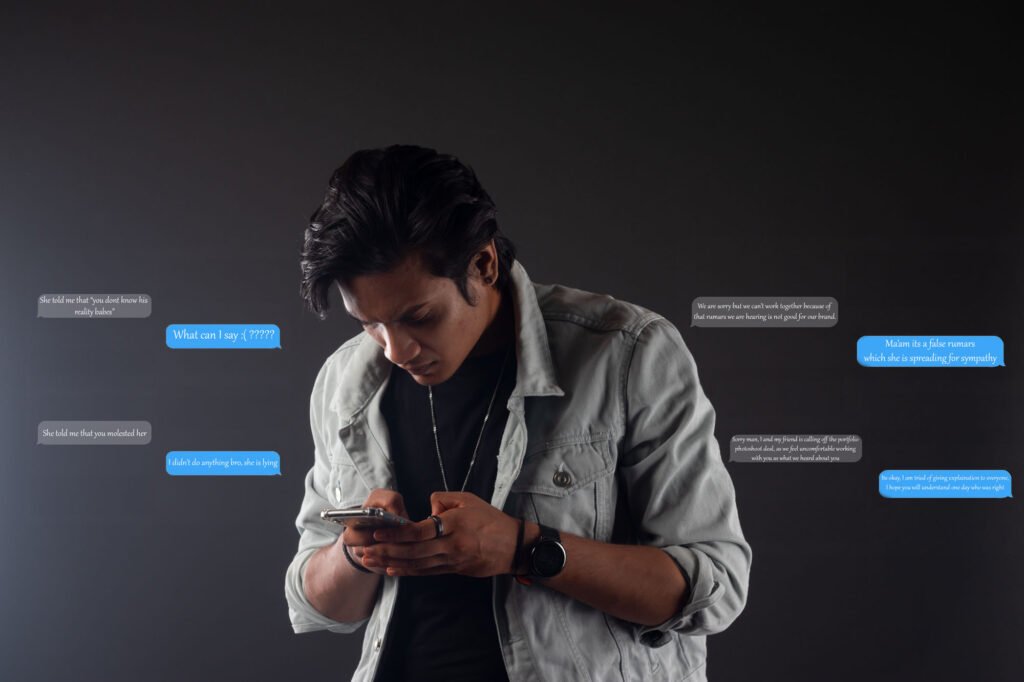
“Cyber Fake” and “Cyber Fake Victim” — The Epidemic of Online Deception
India has among the world’s highest rates of online fraud, catfishing, and identity-based deception. The psychological and material damage done by fake online personas — particularly to young people — is enormous and largely invisible to those not directly affected. “Cyber Fake” and “Cyber Fake Victim” approach this from two directions: the construction of the false identity, and the experience of the person deceived by it.
These diptych-style conceptual series demonstrate a more sophisticated approach than single-image concepts — the meaning emerges from the relationship between the two works, rather than from either in isolation. This is a more literary mode of photography: not the single image-poem but the connected narrative.
Why These Images Are Culturally Necessary
In India, discussions of cybercrime tend to be either legal (describing criminal statutes and penalties) or technical (describing the mechanics of fraud and security). What is almost entirely absent from the public conversation is the experiential dimension — what it actually feels like, in the body and the psyche, to be on the receiving end of sustained online harassment or identity-based deception.
Dosi’s conceptual images fill that gap. They create representations of experiences that previously had no visual form. And by doing so within the aesthetic language of fine art photography — not documentary, not forensic — they claim these experiences as worthy of artistic attention, cultural acknowledgement, and collective empathy.
For brands operating in digital safety, education, NGOs, or social awareness campaigns, this capacity to make digital harm emotionally legible through imagery is an extraordinary and rare capability.